What a Good Deal on Mobile Really Means
A good deal on mobile is not always the cheapest headline offer, and it is not always the phone with the longest list of features. A genuinely good deal is one that gives you what you actually need, at a total cost you are comfortable with, for a length of time that suits your life, without surprises later on. That sounds simple, yet many people choose a mobile deal based on a single eye-catching detail, such as a large data allowance or a popular handset, and only later discover that the coverage is weak where they live, that the monthly cost rises, or that they are paying for features they never use. Taking a little time to compare properly can save frustration, and it can also help you avoid being tied to a deal that no longer fits you.
The mobile market changes constantly, with new handsets, new tariffs, seasonal promotions and different ways of buying. Some deals bundle a handset with a monthly plan, some sell the handset separately from the service, and some focus on flexibility rather than on a long commitment. None of these approaches is automatically better than the others. The right choice depends on how much you use your phone, whether you want the latest handset or are happy with a previous model, how important coverage and customer service are to you, and how much certainty you want about your monthly spending. This guide walks through those choices in plain language, so you can judge any offer on its merits rather than on its advertising.
It also helps to think about a mobile deal as a whole package rather than as a single monthly figure. The handset, the service, the length of the agreement, any upfront cost, the cost of extras, and what happens at the end of the agreement all matter. A deal that looks attractive month by month may be less appealing once an upfront payment, a rising charge, or a charge for going beyond your allowance is taken into account. Conversely, a deal with a slightly higher monthly figure may offer better coverage, more flexibility, or a handset that lasts longer, which can make it better value over time. Good value is about the full picture, not just the first number you see.
Start With How You Actually Use Your Phone
Before you compare any deals, it is worth spending a few minutes thinking honestly about how you use your phone. Many people overestimate how much data they need, or underestimate how much they rely on calls, messages, hotspotting, or streaming. Others buy a high-end handset for tasks that a mid-range phone would handle comfortably, such as browsing, messaging, taking everyday photographs, and watching videos. When you know your real habits, you can ignore offers that do not match them, and you can focus on the handful of deals that genuinely fit your life.
Start by asking yourself a few practical questions. Do you mostly use Wi-Fi at home and at work, or do you rely on mobile data throughout the day? Do you stream video and music on the move, or do you mainly browse, message, and check email? Do you make long voice calls, or do you mostly communicate through messaging apps? Do you travel, work outdoors, or visit rural areas where coverage matters more than speed? Do you use your phone as a hotspot for a laptop or tablet, and do you play games or watch high-quality video on your phone? Each answer points towards a different priority, and together they give you a clear brief for any deal you consider.
Your phone also plays different roles at different times. For many people it is a work tool, a camera, a navigation device, a entertainment device, and a way of staying in touch with family, all in one. If you use your phone heavily for games, for example, battery life, screen quality, and a comfortable data allowance matter more than they might for someone who mainly makes calls. Our guide to choosing a game to play is a useful reminder of how different games suit different moods, devices, and session lengths, and the same principle applies to mobile deals: the best choice is the one matched to how you actually play, work, and relax on your phone, not the one that suits someone else. If your phone is mainly a work device, it is also worth thinking about the wider picture of how a small team organises its people and its tools, which is why our guide to what HR means for small businesses can be helpful background when work use is a major part of your decision.

Handset Deals, SIM Deals, and Bundles Explained
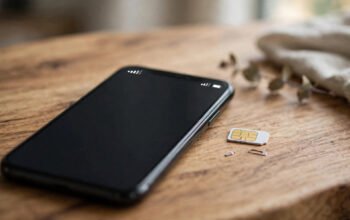
Mobile deals generally fall into a few broad types, and understanding the difference is the first step to comparing them fairly. A handset deal bundles a new phone with a monthly service plan, so you pay for both together over the length of the agreement. This can be a convenient way to spread the cost of a new handset, and it often suits people who want a new phone now without paying for it all at once. A SIM deal, by contrast, supplies only the service, and you use a phone you already own or buy separately. This can suit people who are happy with their current handset, who have bought a phone outright, or who want more flexibility to change their service without changing their phone.
A bundle can mean different things depending on the seller, so it is worth checking exactly what is included. Some bundles combine a handset, a service plan, and extras such as insurance, cloud storage, or access to a streaming or entertainment service. Others bundle a phone with accessories or with a second device. Extras can be genuinely useful, but only if you would have wanted them anyway. An extra that sounds generous but duplicates something you already have, or that you will rarely use, does not make a deal better value. It simply makes the offer harder to compare with simpler deals, which is sometimes the point.
Buying a handset separately and pairing it with a SIM deal is another route worth considering. It can give you more freedom to choose the exact phone you want, and more freedom to change your service later, but it usually means paying for the handset upfront or through a separate finance arrangement. That arrangement has its own terms, and it is important to understand them separately from the service plan. Whichever route you choose, keep the handset cost and the service cost distinct in your mind, even if they appear as a single monthly figure, so you can judge whether each part is fair on its own.
Comparing Deals Like With Like
Comparison is where most mobile deals are won or lost, because offers are rarely presented in exactly the same way. One deal may emphasise a large data allowance, another may emphasise a low monthly figure, and a third may emphasise a premium handset. To compare fairly, list the same details for every deal you consider: the handset model and storage size, the monthly service cost, any upfront cost, the data allowance, the call and message allowance, the length of the agreement, and what happens to the monthly cost over time. When those details sit side by side, the real differences become much clearer.
Data allowance deserves particular care. An unlimited allowance sounds reassuring, but it may come with fair-use conditions, speed limits after a certain level of use, or restrictions on hotspotting that matter if you share your connection with other devices. A large but capped allowance may be more than enough for your actual use, while a smaller allowance with a clear, affordable way to add more data when needed may suit occasional heavy use better. The question is not how much data you could theoretically use, but how much you actually use in a typical month, and what happens on the rare months when you use more.
Coverage is just as important as allowance, and it is the factor most often overlooked. A generous deal on a network with weak coverage at your home, workplace, or regular travel routes is not a good deal for you, however attractive it looks on paper. Coverage checkers, trial periods where available, and the experience of friends, family, or colleagues in the same area can all help, but nothing replaces using the service in the places where you actually need it. Speed also matters in context: for browsing, messaging, and standard video, a reliable connection matters more than headline speed, while for heavy streaming, gaming, or large downloads, a consistently fast connection is more important.

Timing Your Purchase Without Rushing
Timing can affect the value of a mobile deal, but it should not rush you into a poor choice. New handset launches often bring attention to the latest models, and previous models sometimes become better value once a newer version arrives. Seasonal sales and promotional periods can also bring genuinely useful offers, such as a reduced upfront cost, an added extra, or a more generous allowance for the same monthly figure. These moments are worth watching, but a promotion is only a good deal if the underlying deal suits you. A discount on a handset you do not want, or on a plan with coverage that does not suit you, is not a saving.
Your own timing matters as much as the market. If your current agreement is coming to an end, you have a natural moment to review your needs, check your recent usage, and compare alternatives without pressure. If you are mid-agreement and thinking of changing, check what leaving early would involve before you fall for a new offer. Sometimes waiting until the right moment, or negotiating with your current provider, can be better than switching immediately. Patience also helps you avoid the pressure of limited-time offers: if an offer is genuinely good today, a comparable offer will usually appear again, while a rushed decision can leave you committed for a long time.
It is also worth thinking about how long you expect to keep the handset. Some people like to change phones frequently and value flexibility, while others prefer to keep a phone for several years and value durability, battery health, and long-term software support. A deal that suits a frequent changer may not suit someone who wants stability, and vice versa. Matching the length of the agreement to how long you realistically expect to use the phone helps you avoid paying for a handset you have already replaced, or being stuck with a phone you have outgrown.
What to Check Before You Commit
Before you commit to any mobile deal, read the key terms carefully, not just the headline offer. Check whether the monthly cost is fixed for the whole agreement or whether it can rise, and if so, how and when that rise is calculated. Check what happens if you exceed your data, call, or message allowance, and whether you can set a cap or receive alerts to avoid unexpected charges. Check the position on roaming, especially if you travel, including whether roaming is included, limited, or charged separately, and whether fair-use rules apply. These details are often presented in smaller print, but they determine how the deal behaves in real life.
Also check the practical details of the handset itself. Is the handset locked to a particular network, and if so, can it be unlocked and under what conditions? What warranty and repair arrangements apply, and what happens if the handset is damaged or faulty? What is the returns policy if the phone or the service does not meet your expectations in the first days of use? Is insurance included, optional, or something you need to arrange separately, and what does it actually cover? These questions may feel tedious, but they protect you from the most common sources of disappointment after a new deal begins.
Finally, check the end of the agreement. Does the deal roll on automatically, does the monthly cost change, and do you need to take action to avoid continuing on terms you no longer want? Do you keep the handset, and are there any final charges or conditions? Knowing the exit route before you enter an agreement gives you confidence, and it makes it easier to review your options when the time comes. A good deal should be clear about its ending as well as its beginning, and a seller who explains both plainly is usually a seller worth trusting.

Refurbished Phones and Previous Models
One of the simplest ways to find good deals on mobile is to look beyond the very latest handset. Previous models often offer most of the performance, camera quality, and battery life that most people need, at a noticeably lower total cost, and they may come with a longer track record of reliability and user reviews. Refurbished phones can also offer good value, provided they come from a reputable seller with a clear grading system, a warranty, and a returns policy. A refurbished phone in excellent condition, with a new battery where relevant, can be a sensible choice for everyday use, for a second phone, or for a younger family member.
When considering a refurbished or previous-model phone, check the same things you would check for a new phone: battery health, storage size, software support, and whether the phone will continue to receive updates for a reasonable period. Also check the condition description carefully, and be wary of vague grading or missing warranty information. A small saving is not worth it if the phone arrives with unexpected wear, a weak battery, or no support if something goes wrong. Reputable sellers explain condition clearly and stand behind what they sell, and that transparency is part of the value.
For some people, a previous model is not a compromise at all. If your priorities are a good camera for everyday photographs, a reliable battery, a comfortable screen, and smooth performance for browsing, messaging, and streaming, many previous models meet those needs comfortably. The latest model may add features that matter to enthusiasts, such as advanced camera modes or cutting-edge performance, but those features only add value if you will actually use them. Choosing a phone that matches your needs, rather than the newest release, is often the smartest deal of all.
Negotiating, Switching, and Staying in Control
You do not have to accept the first offer you are given, and you do not have to stay with a provider out of habit. If you are happy with your current provider but your deal no longer fits, a conversation about your usage and your options can sometimes lead to a better arrangement, especially when you can explain what you actually need and what alternatives you have considered. Be polite, be clear about what matters to you, and be prepared to walk away if the offer does not improve. Providers value customers who stay, but they also respond to customers who have done their homework.
If you decide to switch, plan the move carefully. Check how to keep your number, how long the transfer should take, and what happens to your old service during the changeover. Make sure you understand any final charges from your old provider, and keep records of your agreement, your final bill, and any confirmation messages. A smooth switch is usually a matter of timing and paperwork rather than luck, and a little preparation avoids a gap in service or a billing surprise. Once you have switched, check your first bill carefully against what you agreed, and raise any discrepancy promptly.
Staying in control after you sign is just as important as choosing well. Review your usage from time to time, check whether your allowance still matches your habits, and note when your agreement is due to end so you can review again rather than drifting onto less suitable terms. Set up usage alerts if they are available, and keep an eye on your bill for unexpected charges. A good mobile deal is not a one-time decision; it is a habit of checking, comparing, and adjusting as your needs change, and that habit is what keeps a good deal good over time.
Common Mistakes to Avoid
One common mistake is choosing a deal based on the handset alone, without checking the service that comes with it. A beautiful phone on a weak network, or with an allowance that does not cover your use, will frustrate you every day, however much you like the device itself. Another mistake is the opposite: choosing a generous service plan and pairing it with a handset that does not suit you, whether because the screen is too small, the battery is too weak, or the storage is too limited for your photographs and apps. The handset and the service need to work together, and both need to suit you.
Another mistake is ignoring the total cost and focusing only on the monthly figure. Upfront costs, rising charges, out-of-allowance charges, insurance, and extras all affect the real cost, and a deal that looks cheap month by month can become expensive once those elements are added. A related mistake is assuming that a larger allowance is always better. If you rarely use half of your allowance, you are paying for capacity you do not need, and a smaller, well-chosen allowance could free up money for something you value more, such as a better handset or a more reliable network.
Finally, many people forget to check the small print about flexibility. Can you change your allowance if your needs change? Can you upgrade your handset early, and what would that involve? What happens if you move, travel, or need to pause or change your service? Life changes, and a deal that cannot adapt can become a burden. Flexibility is not always worth paying extra for, but it is worth understanding, so you know what options you have if your circumstances change.
Frequently Asked Questions
What makes a mobile deal good value?
A mobile deal is good value when it matches your actual use, offers reliable coverage where you need it, and has a total cost you are comfortable with over the whole agreement, without hidden charges or features you do not need. The cheapest headline figure is not always the best value, and the most generous allowance is not always necessary.
Should I choose a handset deal or a SIM deal?
A handset deal can suit you if you want a new phone now and prefer to spread its cost, while a SIM deal can suit you if you already have a phone you are happy with or want more flexibility to change your service. Compare the handset cost and the service cost separately, even when they are shown as a single monthly figure, so you can judge each part fairly.
How much data do I really need?
That depends on how much you use mobile data away from Wi-Fi, whether you stream video and music on the move, and whether you use your phone as a hotspot. Checking your recent usage is the most reliable guide, and it is usually more accurate than guessing or choosing the largest allowance available.
Is a refurbished phone a good idea?
A refurbished phone can be a good idea when it comes from a reputable seller with clear condition grading, a warranty, and a returns policy, and when its battery health and software support meet your needs. It can offer strong value for everyday use, provided you check those details before buying.
What should I check before signing a mobile deal?
Check the monthly cost and whether it can rise, the data, call, and message allowances, coverage in the places you use your phone most, roaming terms, what happens if you exceed your allowance, handset locking and warranty terms, and what happens at the end of the agreement. Understanding those points before you commit avoids most common surprises.
Conclusion
Good deals on mobile are not found by chasing the loudest offer, but by knowing what you need, comparing deals on the same terms, and checking the details that affect real life: coverage, total cost, flexibility, and what happens at the end of the agreement. When you start with your actual usage, weigh handset deals, SIM deals, and bundles on their merits, consider previous models and refurbished phones where they suit you, and stay in control after you sign, you give yourself the best chance of a deal that stays good for its whole life. Take your time, ask questions, and choose the deal that fits you, not the deal that shouts loudest.